The Impact of the UN’s Landmark Genocide Ruling

The Impact of the UN’s Landmark Genocide Ruling

For the first time in its history, the International Court of Justice found a national government guilty of committing genocide.
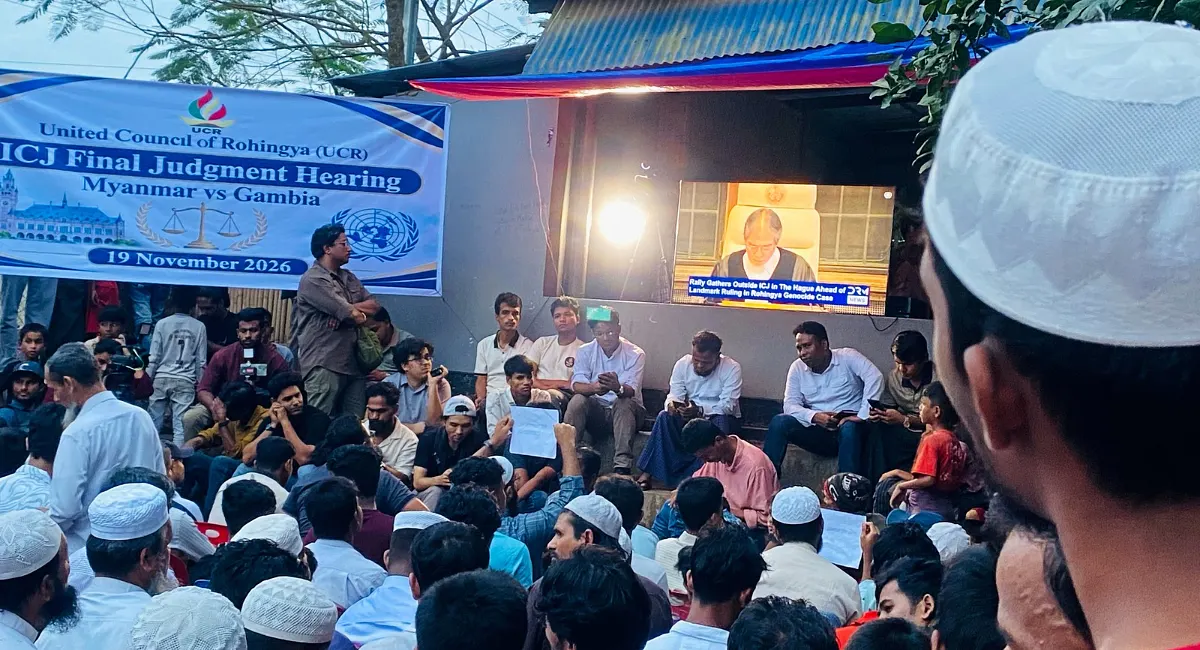
Rohingyas watch on a screen at their refugee camp in Cox's Bazar, Bangladesh, the news of the United Nations' top court ruling Thursday that Myanmar committed genocide against the Rohingya minority.
Rohingyas watch on a screen at their refugee camp in Cox's Bazar, Bangladesh, the news of the United Nations' top court ruling Thursday that Myanmar committed genocide against the Rohingya minority. Source: AP Photo / Shamimul Islam Faisal.

By Quinn Henderson

Share

Share options

Readers need a free Peak account to read the full story.

Save

For the first time in its history, the International Court of Justice (ICJ) — the UN’s top court, which rules on matters of international law and settles disputes between countries — found a national government guilty of committing genocide.

This article is free to read.

Sign up for our newsletter to read this article for free.

Next, we’ll email you a six-digit code. Enter it here to confirm your address and start reading.

By signing up, you agree to receive Morning Brief from The Peak. Unsubscribe anytime.

Already have a Peak account? Log in